
Losing someone we love is one of the most profound challenges we face in life.
The grief can feel overwhelming, and the desire to stay connected to the person we have lost is natural. Many bereaved families seek ways to hold onto tangible reminders of their loved ones, and in recent years, memorial jewelry has offered a comforting solution. Among these keepsakes, fingerprint rings of the deceased have emerged as deeply meaningful items that allow people to carry a loved one’s unique touch with them every day. These rings provide both a physical and emotional connection, reminding us of the individuality and presence of someone we can no longer see.
What are fingerprint rings, and how do they work?
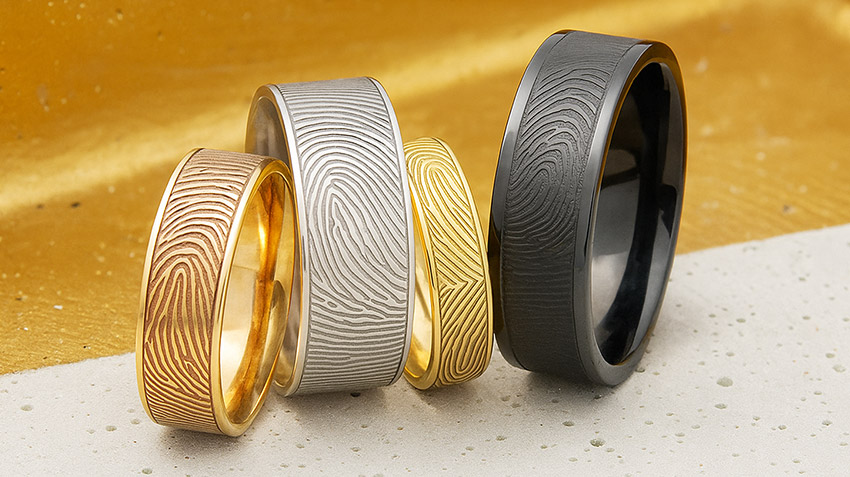
Fingerprint rings are a type of memorial jewelry designed to capture the unique fingerprint of a deceased loved one and transform it into a wearable piece of art. Unlike traditional memorial rings that might feature a photograph, name, or birthstone, fingerprint rings are deeply personal because they preserve something unique to that individual.
The process begins by capturing a clear image of the loved one’s fingerprint. This can be done before or after passing, often using a simple ink pad or digital scan. Jewelers then use this imprint to etch or emboss the pattern onto the surface of a ring. The rings are available in various materials such as gold, silver, titanium, or platinum, and many offer options for engraving additional details like names, dates, or special messages.
Why are fingerprints so meaningful in memorial jewelry?
Fingerprints are more than just a physical identifier. They are deeply symbolic, representing the uniqueness of a person and the permanent mark they leave on our lives. Carrying a fingerprint of a loved one on a ring allows the wearer to feel a sense of closeness and continuity. This can be particularly comforting during difficult moments when grief feels most acute.
Grief specialists and jewelry artisans alike note that having a tangible connection can help individuals process loss. Psychologists have long emphasized the value of tactile reminders in grieving, explaining that holding or wearing something that belonged to a loved one can trigger positive memories and feelings of comfort. For families, fingerprint rings of the deceased are more than just jewelry; they become a lasting symbol of presence, love, and remembrance.
How is a fingerprint ring created?
Creating a fingerprint ring involves careful craftsmanship and attention to detail. First, the fingerprint must be captured accurately. Once obtained, jewelers digitize or carefully scan the print to ensure that every ridge and swirl is preserved. The design is then transferred onto the ring using engraving tools or laser etching techniques. Artisans take great care to maintain precision and authenticity, ensuring that the fingerprint remains true to the original pattern.
Families are often involved in the design process, selecting materials, styles, and engraving options. Depending on the complexity of the design and the jeweler’s workflow, turnaround times can vary, but most rings are completed within a few weeks. This collaborative approach allows families to create a personalized and meaningful piece that reflects the unique character of their loved one.
How can you personalize a fingerprint ring to reflect your loved one?
One of the most special aspects of fingerprint rings of the deceased is the ability to customize them to reflect the person they represent. In addition to the fingerprint itself, families can incorporate initials, birth dates, or meaningful quotes. Some choose to include gemstones that held significance for the loved one or represent a birth month.
Design options are flexible, ranging from minimalist single-fingerprint bands to more elaborate styles that include multiple fingerprints from family members or couples. Innovations in memorial jewelry have also made it possible to incorporate ashes or even handwriting alongside the fingerprint, creating a truly one-of-a-kind tribute. These personal touches make the ring more than just a piece of jewelry; they make it a treasured heirloom.
Can wearing a fingerprint ring help with grieving?
Wearing a fingerprint ring offers more than aesthetic value; it can provide genuine emotional comfort. Having a physical connection to a loved one can help manage feelings of sadness and loneliness, particularly during difficult days or significant dates. Many people report that holding or seeing the fingerprint on their ring provides reassurance and a sense of closeness that is otherwise impossible after loss.
Personal stories often highlight the profound impact these rings can have. Individuals describe moments when glancing at the ring or touching the etched fingerprint evokes warm memories and feelings of being connected to the person they lost. Symbolically, wearing a fingerprint ring is a way to keep a loved one close, turning grief into a quiet reminder of enduring love.
When is the right time to create a fingerprint ring?
There is no single “right” moment to create a fingerprint ring. Some families choose to commission a ring before a loved one passes, especially if they are facing a terminal illness. Others wait until after the loss as a form of memorial. Significant moments such as anniversaries, birthdays, or memorial services can also be meaningful times to create a fingerprint ring.
Open communication with family members is important when considering a fingerprint ring. Discussing intentions and desires for legacy keepsakes ensures that everyone is comfortable with the decision and that the resulting piece carries the emotional significance intended.
How do you care for a fingerprint ring?
Proper care helps maintain the beauty and clarity of the fingerprint engraving. Fingerprint rings should be cleaned gently using a soft cloth and mild soap, avoiding abrasive materials that could scratch the surface. Polishing can restore shine, and jewelers often provide professional cleaning services to ensure the engraving remains crisp and clear over time. Storage in a soft pouch or jewelry box when not in use can also protect the ring from damage. Regular maintenance helps the ring remain a lasting tribute for many years.
Frequently Asked Questions
Below are some additional questions to consider:
What materials are most commonly used for fingerprint rings of the deceased?
Fingerprint rings are often crafted from durable metals like gold, silver, platinum, or titanium. Each material offers unique characteristics and styles, allowing families to choose based on personal preference or budget.
Can a fingerprint ring be resized later?
Yes, many fingerprint rings can be resized by a professional jeweler. It is important to ensure that resizing does not distort the fingerprint engraving, so always consult with a jeweler experienced in memorial jewelry.
Is it possible to create a ring from a digital fingerprint?
Yes, jewelers can use digital scans or high-resolution images of fingerprints to create a ring. This method is particularly useful if an ink impression is not available.
Keep loved ones close with fingerprint rings of the deceased
Fingerprint rings of the deceased offer bereaved families a unique and meaningful way to stay connected to their loved ones. By capturing the individuality of a fingerprint and transforming it into a wearable piece, these rings provide comfort, remembrance, and a sense of closeness. Beyond aesthetics, they serve as enduring symbols of love, identity, and connection. Whether worn daily or kept as cherished keepsake jewelry, a fingerprint ring is a powerful reminder that our loved ones remain with us in spirit and memory.